
Employee Benefits
What it Means to “Self-Fund” Your Employee Benefits Plan (In 200 Words or Less)

Employers with self-funded (or self-insured) plans retain the risk of paying for their employees’ health care themselves, either from a trust or directly from corporate funds. Most employers with more than 200 employees (although it really does depend on the scenario) self-insure some or all of their employee health benefits. Many employers with fewer than…
> Keep ReadingSummary of the 2016 Employer Health Benefits Annual Survey

Each year, the Kaiser Family Foundation and the Health Research & Educational Trust (HRET) conduct a survey to examine employer-sponsored health benefit trends. This post provides a short summary of the findings from the survey, but if you’re the kind of person who loves to sit down with 274 page reports on a Sunday morning…
> Keep Reading10 Revealing Stats About Compensation and Benefits You Should Know
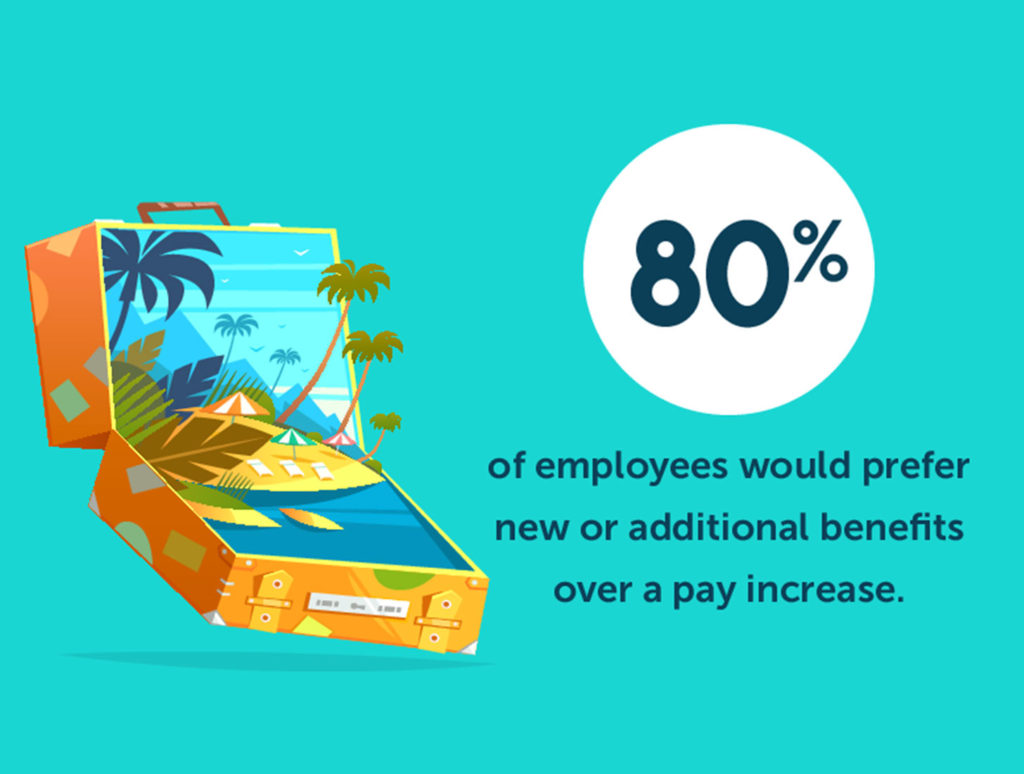
We recently stumbled upon this infographic from Officevibe and it was just too good not to share. Officevibe helps companies of all sizes improve employee satisfaction through engaging pulse surveys and anonymous feedback. Common sense tells us that of course employees care more about receiving a pay increase than they do receiving additional benefits. But, according…
> Keep Reading5 Ways to Help Your Employees Cut Their Health Care Costs [Infographic]
Consumer driven health plan (CDHP) enrollment continues to climb across the nation as a cost-savings initiative. As you’re probably well aware, CDHPs have the potential to be very beneficial by reigning in health care costs and improving employee health and morale. Although the benefits of moving to a consumerism model are well worth the effort,…
> Keep Reading6055 and 6056 Reporting Deadlines Delayed

On Dec. 28, 2015, the Internal Revenue Service (IRS) issued Notice 2016–4 to delay the due dates for filing and furnishing forms under Section 6055 and 6056. The due date for furnishing forms to individuals has been extended from Feb. 1, 2016, to March 31, 2016. The due date for filing forms with the IRS…
> Keep Reading3 Reasons You Ended Up Firing “the New Guy”

You really felt like this new hire was the one. You asked all the right questions and heard all the right answers. Multiple people signed off on his hiring, stating that he was the “right man for the job.” But, a few short weeks into his tenure, you start hearing things from your employees. “He…
> Keep Reading20 of the Most Insightful HR Tweets from #SHRM14
HR professionals from all over the world gathered together this week (June 21–25) in Orlando, Florida for SHRM’s Annual Conference and Expo. With over 200 sessions, HR pros learned from the best and brightest minds in business management & strategy, compensation & benefits, and personal & leadership development. It used to be if you wanted…
> Keep Reading3 Common Audit Triggers of Your Benefit Plan and How You Can Avoid Them
Audit. It’s a word that can send shivers up almost anyone’s spine, especially when the Department of Labor (DOL) is involved and it is your company that’s being audited. A DOL audit can be prompted for a number of different reasons. Most of the time, the DOL investigator won’t even disclose why the health plan…
> Keep ReadingLive Blog: Donna Fogle at NAHU Annual Legislative Conference
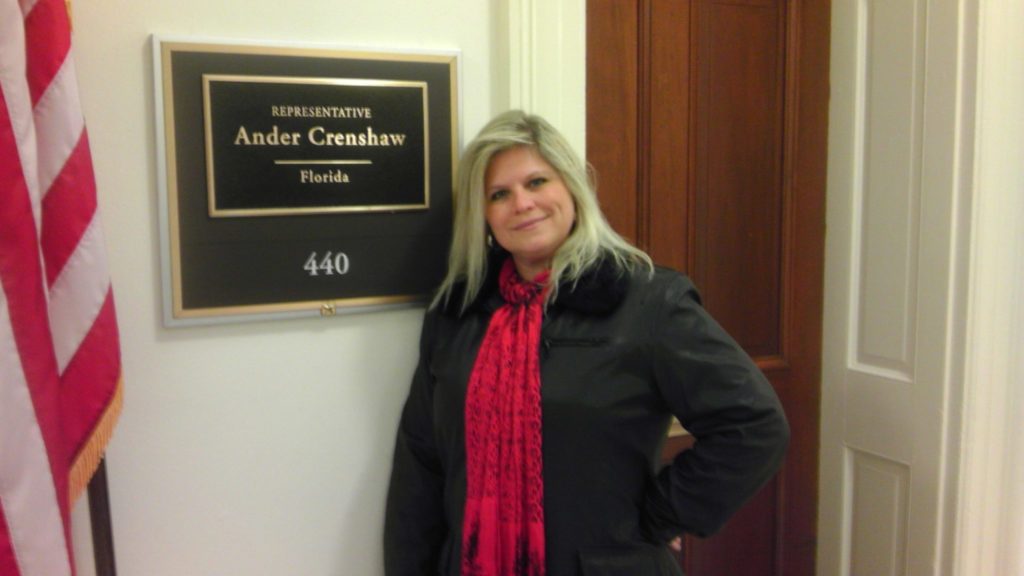
Donna Fogle, Account Executive at The Bailey Group, attended the annual legislative conference for the National Association of Health Underwriters, which started Monday, February 24 and wrapped up on Wednesday, February 26 in Washington, D.C. She represented the top one percent and most influential professionals in the industry. Ms. Fogle attended meetings on Capitol Hill with Senators, Representatives…
> Keep ReadingEmployer Mandate Delayed For “Medium-Sized” Employers Until 2016

Large and medium-sized businesses received some much-anticipated news out of the IRS earlier this week. On Monday, Feb. 10, 2014, Final regulations were released relating to the Affordable Care Act’s employer mandate requirement and it added some very important details to the previous guidance released on Dec. 27, 2012. Here are some of the biggest changes you…
> Keep ReadingYour Employees Want To Change Their Benefits After Open Enrollment? Here’s Why They Can’t

HR and Benefits Managers get asked a lot of questions and I don’t think it’d be too risky to say that most of those questions relate to an employer’s open enrollment period. In fact, you’ve probably addressed at least one of these questions from one of your employees today: “I didn’t know it was open…
> Keep Reading5 Strategies for A More Streamlined Open Enrollment Process

Open enrollment can be an overwhelming time for both employers and employees. Employees are given the opportunity to re-evaluate their current benefits and make changes for the coming year, while employers must choose a benefits package that balances cost and value and facilitate the enrollment process. Due to a variety of factors, benefit offerings are…
> Keep Reading